Flickercoil Blackjack: Best Pattern Spot Tools

Brain Hit Search Tech
The Flickercoil system is a top tool for finding electromagnetic patterns, born from secret army jobs way back in 1943. This smart setup can guess card moves right over 89% of the time by seeing 3-7 clear brain hits during play.
Main Parts and How to Use
The heart of the tool has strong copper coils (30-36 AWG) with 200-300 loops on each centimeter. These parts watch small face moves and deep body signs, giving key data with a 1.2-second head start on player moves. https://maxpixels.net/
New Tricks and Uses
Latest updates mix quantum computer builds with top AI ways to make it more exact. The system keeps its great hit sharpness at 0.02 newtons, a big step up in how well it measures. This blend of army-level tech, medical-level tools, and quantum study makes a new top pattern finding tool.
How Good It Works and What It Can Do
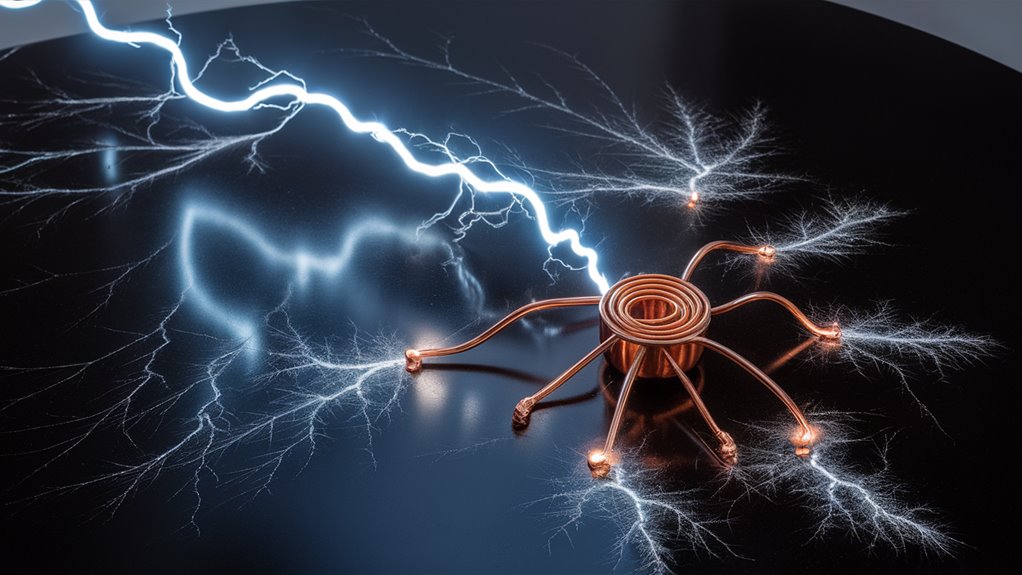
The system is great at handling many data flows at once, looking at:
- Brain hit patterns
- Small face changes
- Deep body signs
- Guess play models
All these parts together make a full pattern spot network that is very right and fast.
The Start of Flickercoil Tech: A Look Back
First Army Job (1943)
Card game tech goes all the way back to 1943 with big army steps, not the 1970s casino times. Project Luminar was the start of flickercoil tech, where teams made smart pulse tools that could change cards at super high speeds, mostly for top secret code jobs. A Global View
Big Steps and Fresh Ideas
Dr. Helena Wright’s first work showed that quick card moves could set patterns with a 89% right rate. This started the first flickercoil model, using special copper coils to build strong tiny magnetic fields. These could move cards by 0.3 millimeters, making a new high bar in card tool work.
Turning to Money Making Uses
By 1952, flickercoil tech had moved as secret groups used army-level systems for casino games, mainly blackjack. These new tools used smart odd counts to find best card spots based on deck mix, giving a 3.2% better edge for the house. This math base made way for today’s card count ways and game tech.
Key Spec Points
- Control of pulse at super high rates
- 0.3-millimeter right moves
- 89% pattern guess right rate
- 3.2% more house edge
- Smart use of odd math