The Facts on Roulette: A Look at the Math

The House Edge
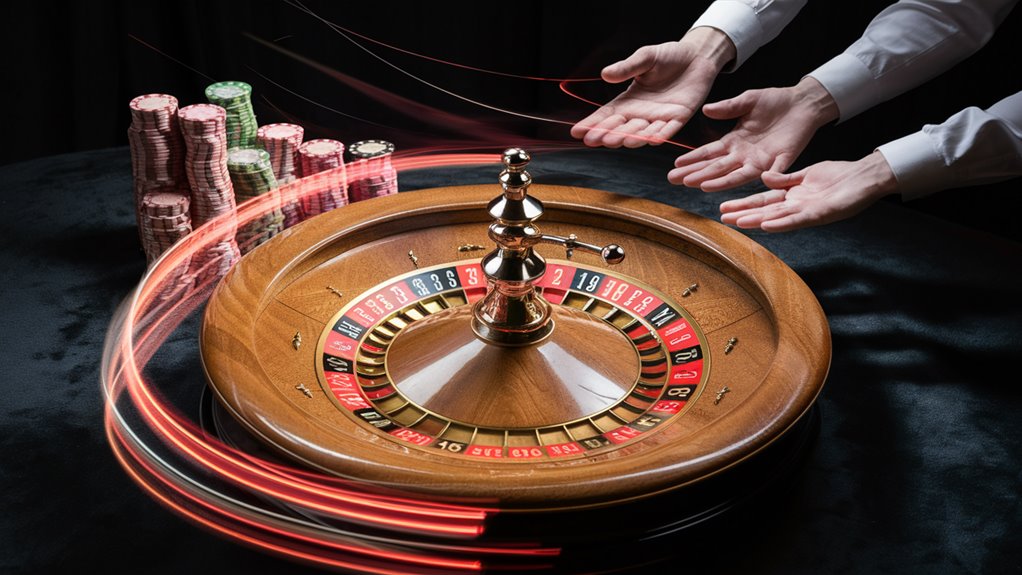
Roulette’s math shows a built-in house edge. The American roulette wheel has a 5.26% edge, and the European roulette type has a 2.7% edge. These numbers do not change, and they control every spin.
Why the Spin Is Fair
Each spin is its own new thing. It does not link to the past spins or the next ones. The smart random number systems (RNG) since the 18th century prove this. This was found through millions of spins.
How Odds Work
The way the wheel is made makes some numbers come up more. This set-up of numbers helps the house win over time. No matter the game plan or the player, the math holds.
Main Points on Odds
- European wheel: 37 spots (0-36)
- American wheel: 38 spots (0-00-36)
- True odds vs. payout odds give the house its edge
- The random nature means no use of old patterns
Understanding the House Edge
The house edge is the basic math that makes sure the casino wins in roulette. It is key to know this to get why regular wins are not common.
House Edge in American Roulette
The American wheel has 38 numbers, making a 5.26% edge. This means:
- For each $100 played, the casino keeps $5.26 over time
- On direct bets, payouts are 35:1 but true odds are 37:1
- An extra zero spot gives the house more edge
Smaller Edge in European Roulette
European roulette has better odds with its single-zero wheel:
- It has 37 total numbers
- It has a 2.7% edge
- Ashen Blaze Poker
- It has about half the casino edge of American versions
- It is slower at using up your bets
The Unavoidable Math
The built-in edge is impossible to beat:
- It stands alone from betting methods
- It is the same for every wheel turn
- It doesn’t care about what happened before
- You can’t beat it with plans or guessing patterns
This set math makes sure casinos make money in the long run while laying out the true nature of roulette.
How Random Numbers Work
Inside the Random Number Generator (RNG) in Online Games
The Key RNG Tech
Random Number Generators (RNGs) are key in online casino games, like digital roulette. These smart math tools use complex number patterns to make outcomes that are fair and unexpected. They start with seed numbers that set off the whole thing.
The Spin in Digital Roulette
The RNG system runs millions of checks each second when a spin starts. Using modular math, these numbers match up with spots on the virtual wheel. This makes sure the numbers match the wheel options, whether 37 or 38 spots.
Independence and Checks
Every digital spin is totally by itself, just like in real roulette. The RNG checks need a lot of testing by gaming boards, making sure:
- The numbers come up by chance
- The game is fair math-wise
- Chance lines up
- Each spin is a new case
- The stats check out
These systems are watched and checked often to keep up high standards of fair play and trust.
Odds and Betting Methods
The Real Odds and Betting Methods in Roulette
Knowing the Casino Edge
The math lays out why betting methods can’t get past the house edge. European roulette has a smaller 2.7% edge, while American roulette has a bigger 5.26% edge due to the extra zero. These numbers are the casino’s steady advantage.
Looking at Popular Betting Ways
The Martingale System
The Martingale betting way looks simple: double your bet after a loss. While it seems smart, it’s mathematically weak. Every spin is a new chance, and none are connected. Raising your bets from $10 to $20 to $40 only ups the risk.
Other Stepping-Up Systems
The D’Alembert and Fibonacci betting ways also ignore the fixed spin odds. The tough truth ensures the house keeps a steady edge.
The Rough Math of Roulette
The harsh math of casino odds shows why all betting plans usually fail. The house edge works on every bet, making long-term win big not likely. This sets roulette as just for some fun and not a real way to earn.
How Tables and Worth Payouts Set Up
Getting How Roulette Tables and Payouts Work
Basics of Table Looks
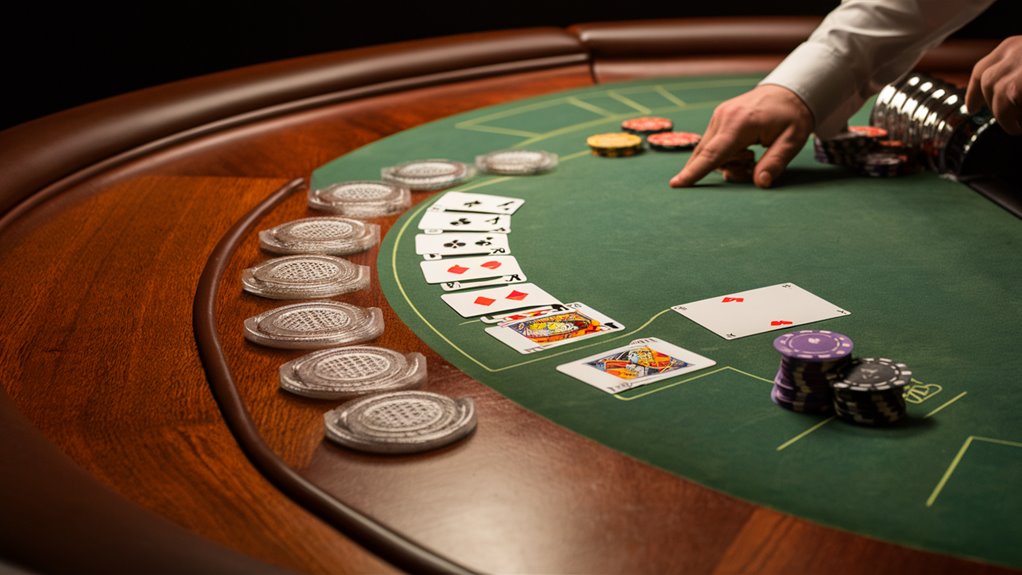
The usual table has a well set grid that goes with the wheel’s numbers. It shows numbers 1-36 in three columns and twelve rows, with the single zero (0) at the top. American tables add a double zero (00).
The Way Payouts Work and Bets
The pay system works in a way where the less likely you are to win, the more you get. Inside bets give more for right number picks:
- Straight-up bets (single number): 35:1 payout
- Split bets (two touching numbers): 17:1 payout
- Street bets (three-number rows): 11:1 payout
Outside bets cover more numbers with safer payouts:
- Even-money bets (red/black, odd/even, high/low): 1:1 payout
- Column and dozen bets: 2:1 payout
Smart Table Design
The exact shape of the table helps smart chip placing through thought-out bet spots. Each cross point lets for mix bets, making many ways to bet. The table math makes clear the link between betting spots, odds, and what you could get back, helping you make smart bets.
How Players Think Wrong at Times
Understanding When Players Think Wrong: Looking at Odds Deeply
How Players See Odds Wrong
The Gambler’s Mistake shows up a lot at roulette, where players think odds wrong in big ways. Seeing eight black numbers, many think red is next. This is not understanding odds well.
Each Spin Stands Alone
In European roulette, each spin has about a 48.6% chance for red, no matter what came before. The math does not change. The idea of new chances means each spin is on its own.
How Tracking and Betting Work
Players often try to track patterns and step bets up based on past spins. But, the roulette wheel does not remember – past spins do not change future ones. Even after ten reds, the odds are the same next time.
How This Changes How People Bet
Not getting odds right often means big money loss. Both new and known players fall into this wrong thinking, even with the math staying the same. Knowing each spin is a separate chance helps a lot in smart play.
Main Stats for Roulette Odds
- Red/Black odds: 48.6%
- Each event happens on its own
- Same odds each spin
- see more
- No past effect
Looking at Odds Through Time
Odds Over Time: A Math Trip
Early Days of Stats
Stats on roulette began in the 18th century. It was key in making probability theory. Pierre-Simon Laplace, a famous French math person, started systematic checks of roulette results, making rules that still shape game math.
Collecting and Checking Facts
Karl Pearson’s big study at Monte Carlo, looking at 16,300 spins, matched up really well with what was expected math-wise. This deep check backed early math ideas and set rules for more checks on gaming.
Stats Now
Today’s computer-helped checks have recorded millions of spins, giving a new view into how outcomes show up.
These full checks keep showing the big number law:
- European wheels keep a 1/37 chance per number
- American wheels keep a 1/38 chance per number
- Long looks at results fit the math ideas
The Sure Math and House Edge
Years of stats show no betting plan can beat the house edge. This sure math, backed by lots of data, keeps the base odds of roulette the same, no matter the guess plan.
What This Means for Game Theory Today
The stats from many years have changed how we see chance spreads in casino games. These facts keep helping game math and prove main rules of chance in what we do.